-
Array
(
[0] => Array
(
[id] => 1
[siteid] => 1
[parentid] => 0
[parentstr] => 0,
[infotype] => 0
[classname] => Home
[navname] => Home
[alias] =>
[english] =>
[linkurl] => /
[relinkurl] => index.html
[picurl] =>
[picwidth] =>
[picheight] =>
[colorval] =>
[boldval] =>
[seotitle] => Automotive Lamp suppliers,Led Headlight solutions,Luz Led Para Moto price,Headli
[keywords] => Automotive Lamp suppliers,Led Headlight solutions,
[description] => IV Auto Parts is a Automotive Lamp suppliers, provides Led Headlight solutions,Luz Led Para Moto price,Headlights For Car fittings.
[orderid] => 1
[isnav] => true
[checkinfo] => true
[url] => index.html
[child] => Array
(
)
)
[1] => Array
(
[id] => 2
[siteid] => 1
[parentid] => 0
[parentstr] => 0,
[infotype] => 0
[classname] => About Us
[navname] => About Us
[alias] =>
[english] => We Make Fence Idea
[linkurl] => about.php
[relinkurl] => about.html
[picurl] =>
[picwidth] =>
[picheight] =>
[colorval] =>
[boldval] =>
[seotitle] => Car Head Lamp Agencies,vehicle Headlamp Wholesale,car Head Lamp Price; IV Auto P
[keywords] => car head lamp agencies,vehicle headlamp wholesale,
[description] => IV Auto Parts, built in China and based in mainland China YiWu, has specialized 2
[isnav] => true
[checkinfo] => true
[url] => about.html
[child] => Array
(
[0] => Array
(
[id] => 10
[siteid] => 1
[parentid] => 2
[parentstr] => 0,2,
[infotype] => 0
[classname] => Our Culture
[navname] => Our Culture
[alias] =>
[english] =>
[linkurl] => about.php?cid=10
[relinkurl] => about-10-1.html
[picurl] =>
[picwidth] =>
[picheight] =>
[colorval] =>
[boldval] =>
[seotitle] =>
[keywords] =>
[description] =>
[orderid] => 10
[isnav] => true
[checkinfo] => true
[url] => about-10-1.html
[child] => Array
(
)
)
[1] => Array
(
[id] => 11
[siteid] => 1
[parentid] => 2
[parentstr] => 0,2,
[infotype] => 2
[classname] => Our Team
[navname] => Our Team
[alias] =>
[english] =>
[linkurl] => team.php
[relinkurl] => team.html
[picurl] =>
[picwidth] =>
[picheight] =>
[colorval] =>
[boldval] =>
[seotitle] =>
[keywords] =>
[description] =>
We have been supplying Replacement Headlight assembly,Side Light,Tail Lights,driving Lights,Led Fog,Interior Light,Light Accessories,since 2009, and thanks to the contribution of our professional team, customers across the world thumb up to IV Aut [orderid] => 11 [isnav] => true [checkinfo] => true [url] => team.html [child] => Array ( ) ) [2] => Array ( [id] => 12 [siteid] => 1 [parentid] => 2 [parentstr] => 0,2, [infotype] => 0 [classname] => Reference List [navname] => Reference List [alias] => [english] => [linkurl] => reference.php [relinkurl] => reference.html [picurl] => [picwidth] => [picheight] => [colorval] => [boldval] => [seotitle] => [keywords] => [description] => [orderid] => 12 [isnav] => true [checkinfo] => true [url] => reference.html [child] => Array ( ) ) ) ) [2] => Array ( [id] => 3 [siteid] => 1 [parentid] => 0 [parentstr] => 0, [infotype] => 2 [classname] => Warranty [navname] => Warranty [alias] => [english] => [linkurl] => warranty.php [relinkurl] => warranty.html [picurl] => [picwidth] => [picheight] => [colorval] => [boldval] => [seotitle] => Halogen Headlamps Solution,Motorcycle Headlamp Services,Upgrade Headlight Cost; [keywords] => Halogen Headlamps Solution,Motorcycle Headlamp Ser [description] => IV Auto Parts Provided For You Halogen Headlamps Solution,Motorcycle Headlamp Services,Upgrade Headlight Cost Calculate.
[orderid] => 3 [isnav] => true [checkinfo] => true [url] => warranty.html [child] => Array ( [0] => Array ( [id] => 13 [siteid] => 1 [parentid] => 3 [parentstr] => 0,3, [infotype] => 2 [classname] => CERTIFICATES [navname] => CERTIFICATES [alias] => [english] => [linkurl] => warranty.php?cid=13 [relinkurl] => warranty-13-1.html [picurl] => [picwidth] => [picheight] => [colorval] => [boldval] => [seotitle] => [keywords] => [description] => Your partner all the way
At IV Auto Parts we work as a complete supplier: We develop, produce and sell finishing systems and make sure the operators are fully instructed and able to run the Parts.
On top of tha [orderid] => 13 [isnav] => true [checkinfo] => true [url] => warranty-13-1.html [child] => Array ( ) ) [1] => Array ( [id] => 34 [siteid] => 1 [parentid] => 3 [parentstr] => 0,3, [infotype] => 0 [classname] => FAQ [navname] => FAQ [alias] => [english] => [linkurl] => FAQ.php [relinkurl] => FAQ.html [picurl] => [picwidth] => [picheight] => [colorval] => [boldval] => [seotitle] => [keywords] => [description] => [orderid] => 28 [isnav] => true [checkinfo] => true [url] => FAQ.html [child] => Array ( ) ) [2] => Array ( [id] => 33 [siteid] => 1 [parentid] => 3 [parentstr] => 0,3, [infotype] => 0 [classname] => Service & After Sales [navname] => Service & After Sale [alias] => [english] => [linkurl] => ServiceAndAfterSales.php [relinkurl] => ServiceAndAfterSales.html [picurl] => [picwidth] => [picheight] => [colorval] => [boldval] => [seotitle] => [keywords] => [description] => [orderid] => 29 [isnav] => true [checkinfo] => true [url] => ServiceAndAfterSales.html [child] => Array ( ) ) ) ) [3] => Array ( [id] => 4 [siteid] => 1 [parentid] => 0 [parentstr] => 0, [infotype] => 2 [classname] => Products [navname] => Products [alias] => Products List [english] => Explore Auto Parts Products [linkurl] => products.php [relinkurl] => products.html [picurl] => [picwidth] => [picheight] => [colorval] => [boldval] => [seotitle] => Headlamp Car For Sale,buy Headlamp,refit Headlight Cost, Head Lamp Fittings; IV [keywords] => IV Auto Parts Provide You With Details Refit Buy [description] => IV Auto Parts Provide You With Details Refit Buy Headlight Cost,head Lamp Fittings For Sale.
[orderid] => 4 [isnav] => true [checkinfo] => true [url] => products.html [child] => Array ( [0] => Array ( [id] => 24 [siteid] => 1 [parentid] => 4 [parentstr] => 0,4, [infotype] => 2 [classname] => Headlight assembly [navname] => Headlight assembly [alias] => Headlight assembly [english] => Headlight assembly [linkurl] => products-24-1.html [relinkurl] => products-24-1.html [picurl] => [picwidth] => [picheight] => [colorval] => [boldval] => [seotitle] => [keywords] => [description] => [orderid] => 22 [isnav] => true [checkinfo] => true [url] => products-24-1.html [child] => Array ( ) ) [1] => Array ( [id] => 29 [siteid] => 1 [parentid] => 4 [parentstr] => 0,4, [infotype] => 2 [classname] => Taillight Assembly [navname] => Taillight Assembly [alias] => Taillight Assembly [english] => Taillight Assembly [linkurl] => [relinkurl] => products-29-1.html [picurl] => [picwidth] => [picheight] => [colorval] => [boldval] => [seotitle] => Taillight Assembly [keywords] => Taillight Assembly,Tail Lights,Tail Lamp,Led Tail [description] => Taillight Assembly,Tail Lamp,Led Tail Lights For Audi [orderid] => 23 [isnav] => true [checkinfo] => true [url] => products-29-1.html [child] => Array ( ) ) [2] => Array ( [id] => 25 [siteid] => 1 [parentid] => 4 [parentstr] => 0,4, [infotype] => 2 [classname] => Turn Signal Light [navname] => Turn Signal Light [alias] => Turn Signal Light [english] => Turn Signal Light [linkurl] => products-25-1.php [relinkurl] => products-25-1.html [picurl] => [picwidth] => [picheight] => [colorval] => [boldval] => [seotitle] => [keywords] => Turn Signal Light,Side Blinker,Audi Turn Signal Li [description] => Audi Turn Signal Light [orderid] => 24 [isnav] => true [checkinfo] => true [url] => products-25-1.html [child] => Array ( ) ) [3] => Array ( [id] => 36 [siteid] => 1 [parentid] => 4 [parentstr] => 0,4, [infotype] => 2 [classname] => Alternator [navname] => Alternator [alias] => Alternator [english] => Alternator [linkurl] => products-36-1.php [relinkurl] => products-36-1.html [picurl] => [picwidth] => [picheight] => [colorval] => [boldval] => [seotitle] => Alternator For with Audi [keywords] => Alternator For with Audi [description] =>
Email:
sales@ivautoparts.com
Tel.: +86 13933893619


When should I replace my clutch pack?
2026-01-28
Summary:
You should replace your clutch pack when you notice specific symptoms of wear or damage, unlike brake parts which are often replaced at set mileage intervals or based on visual inspection. Clutches don't have a fixed replacement schedule as they can last
You should replace your clutch pack when you notice specific symptoms of wear or damage, unlike brake parts which are often replaced at set mileage intervals or based on visual inspection. Clutches don't have a fixed replacement schedule as they can last over 50,000 miles with gentle use, or fail much sooner with aggressive driving.
Here are the key signs that indicate your clutch needs replacement:
Symptom Description & Common Cause
Slipping Engine RPM increases without a proportional increase in vehicle speed, especially under load (e.g., going uphill). This is often due to a worn clutch disc .
Difficulty Shifting Grinding or inability to engage gears. Can be caused by a problem with the release system (bearing, fork) or a worn disc.
Unusual Noises Chirping or grinding when the pedal is pressed, often pointing to a failing release (throw-out) bearing .
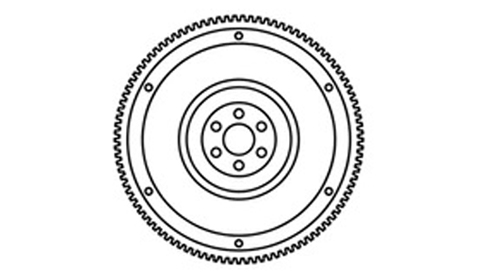
Spongy/Vibrating Pedal A pedal that feels soft, sticks to the floor, or vibrates. May indicate issues with the hydraulic system (needing a fluid bleed) or a warped pressure plate/flywheel .
While your question includes brake parts, clutch and brake maintenance differ in key ways:
Replacement Trigger : Brake pads have wear indicators (squealers) and visible components, so you can often plan service. Clutch diagnosis relies entirely on feeling and hearing the symptoms above.
Labor Intensity : Clutch replacement is typically more complex and expensive in labor. It usually requires removing the transmission or transaxle to access the clutch assembly, whereas brake pad/rotor replacement is a more standard service.
Cost Context (Brakes) : For reference, a complete brake service (pads and rotors) at a shop like Firestone can range from $299 to $349 per axle . You can buy quality brake pad and rotor kits online for DIY projects starting around $167 . Clutch replacement parts may be similarly priced, but the total cost is dominated by the significant labor.
1. Get a Professional Diagnosis : The symptoms above are strong indicators, but a mechanic should confirm the issue and rule out simpler fixes like a hydraulic system bleed or adjustment.
2. Replace as a Complete Kit : If the clutch is failing, it is standard practice to replace the clutch disc, pressure plate, and release bearing as a kit. It's also the ideal time to inspect or resurface the flywheel .
3. Consider Driving Style : If your clutch failed prematurely, reflect on habits like "riding the clutch" (keeping your foot on the pedal) or excessive slipping during starts, as these drastically shorten its life.
In short, replace your clutch when you experience slipping, shifting problems, or unusual noises—not just based on mileage. For a more accurate estimate, you could share your vehicle's make/model and the specific symptoms you're noticing. Would you like to provide those details?
Here are the key signs that indicate your clutch needs replacement:
Symptom Description & Common Cause
Slipping Engine RPM increases without a proportional increase in vehicle speed, especially under load (e.g., going uphill). This is often due to a worn clutch disc .
Difficulty Shifting Grinding or inability to engage gears. Can be caused by a problem with the release system (bearing, fork) or a worn disc.
Unusual Noises Chirping or grinding when the pedal is pressed, often pointing to a failing release (throw-out) bearing .
Spongy/Vibrating Pedal A pedal that feels soft, sticks to the floor, or vibrates. May indicate issues with the hydraulic system (needing a fluid bleed) or a warped pressure plate/flywheel .
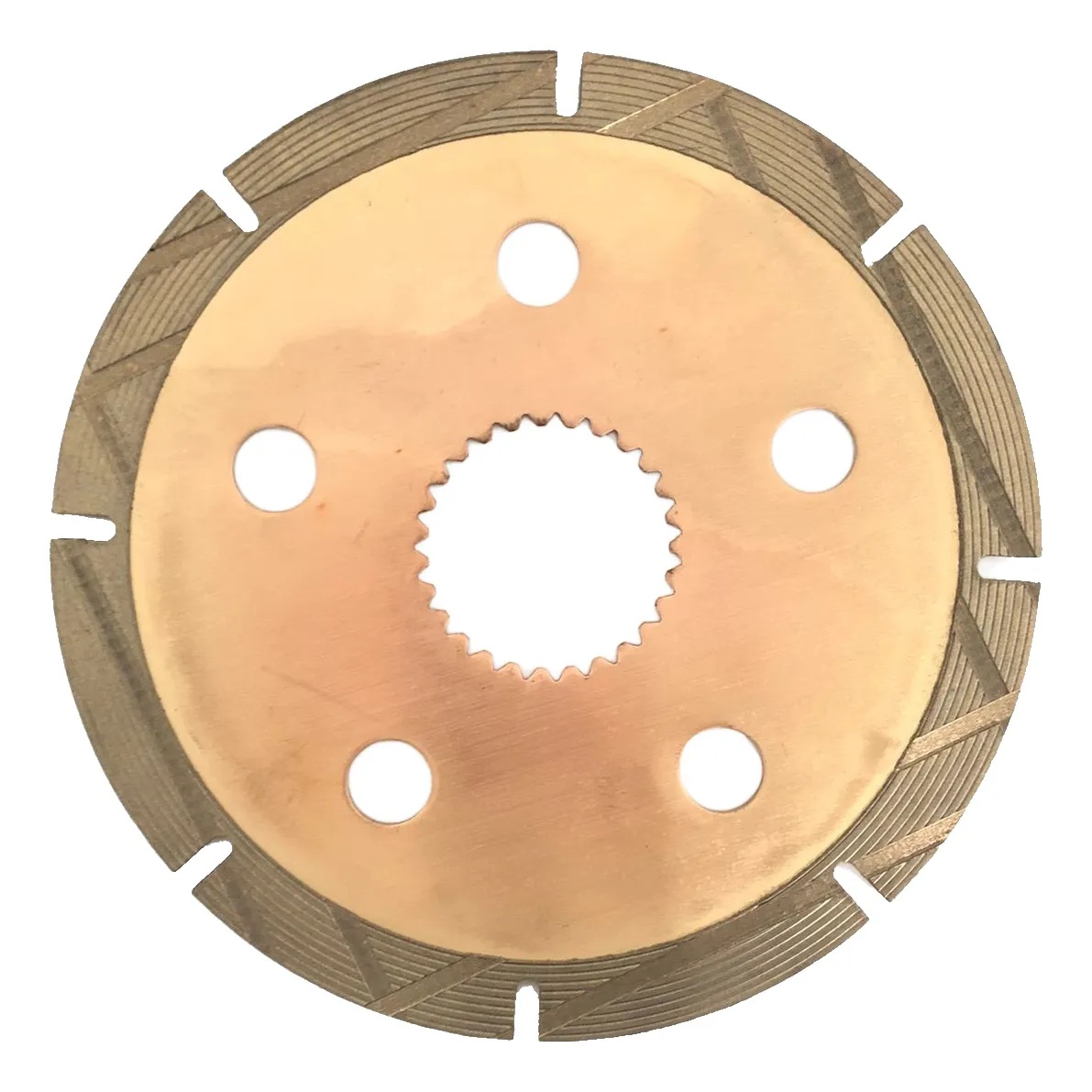
While your question includes brake parts, clutch and brake maintenance differ in key ways:
Replacement Trigger : Brake pads have wear indicators (squealers) and visible components, so you can often plan service. Clutch diagnosis relies entirely on feeling and hearing the symptoms above.
Labor Intensity : Clutch replacement is typically more complex and expensive in labor. It usually requires removing the transmission or transaxle to access the clutch assembly, whereas brake pad/rotor replacement is a more standard service.
Cost Context (Brakes) : For reference, a complete brake service (pads and rotors) at a shop like Firestone can range from $299 to $349 per axle . You can buy quality brake pad and rotor kits online for DIY projects starting around $167 . Clutch replacement parts may be similarly priced, but the total cost is dominated by the significant labor.
1. Get a Professional Diagnosis : The symptoms above are strong indicators, but a mechanic should confirm the issue and rule out simpler fixes like a hydraulic system bleed or adjustment.
2. Replace as a Complete Kit : If the clutch is failing, it is standard practice to replace the clutch disc, pressure plate, and release bearing as a kit. It's also the ideal time to inspect or resurface the flywheel .
3. Consider Driving Style : If your clutch failed prematurely, reflect on habits like "riding the clutch" (keeping your foot on the pedal) or excessive slipping during starts, as these drastically shorten its life.
In short, replace your clutch when you experience slipping, shifting problems, or unusual noises—not just based on mileage. For a more accurate estimate, you could share your vehicle's make/model and the specific symptoms you're noticing. Would you like to provide those details?