-
Array
(
[0] => Array
(
[id] => 1
[siteid] => 1
[parentid] => 0
[parentstr] => 0,
[infotype] => 0
[classname] => Home
[navname] => Home
[alias] =>
[english] =>
[linkurl] => /
[relinkurl] => index.html
[picurl] =>
[picwidth] =>
[picheight] =>
[colorval] =>
[boldval] =>
[seotitle] => Automotive Lamp suppliers,Led Headlight solutions,Luz Led Para Moto price,Headli
[keywords] => Automotive Lamp suppliers,Led Headlight solutions,
[description] => IV Auto Parts is a Automotive Lamp suppliers, provides Led Headlight solutions,Luz Led Para Moto price,Headlights For Car fittings.
[orderid] => 1
[isnav] => true
[checkinfo] => true
[url] => index.html
[child] => Array
(
)
)
[1] => Array
(
[id] => 2
[siteid] => 1
[parentid] => 0
[parentstr] => 0,
[infotype] => 0
[classname] => About Us
[navname] => About Us
[alias] =>
[english] => We Make Fence Idea
[linkurl] => about.php
[relinkurl] => about.html
[picurl] =>
[picwidth] =>
[picheight] =>
[colorval] =>
[boldval] =>
[seotitle] => Car Head Lamp Agencies,vehicle Headlamp Wholesale,car Head Lamp Price; IV Auto P
[keywords] => car head lamp agencies,vehicle headlamp wholesale,
[description] => IV Auto Parts, built in China and based in mainland China YiWu, has specialized 2
[isnav] => true
[checkinfo] => true
[url] => about.html
[child] => Array
(
[0] => Array
(
[id] => 10
[siteid] => 1
[parentid] => 2
[parentstr] => 0,2,
[infotype] => 0
[classname] => Our Culture
[navname] => Our Culture
[alias] =>
[english] =>
[linkurl] => about.php?cid=10
[relinkurl] => about-10-1.html
[picurl] =>
[picwidth] =>
[picheight] =>
[colorval] =>
[boldval] =>
[seotitle] =>
[keywords] =>
[description] =>
[orderid] => 10
[isnav] => true
[checkinfo] => true
[url] => about-10-1.html
[child] => Array
(
)
)
[1] => Array
(
[id] => 11
[siteid] => 1
[parentid] => 2
[parentstr] => 0,2,
[infotype] => 2
[classname] => Our Team
[navname] => Our Team
[alias] =>
[english] =>
[linkurl] => team.php
[relinkurl] => team.html
[picurl] =>
[picwidth] =>
[picheight] =>
[colorval] =>
[boldval] =>
[seotitle] =>
[keywords] =>
[description] =>
We have been supplying Replacement Headlight assembly,Side Light,Tail Lights,driving Lights,Led Fog,Interior Light,Light Accessories,since 2009, and thanks to the contribution of our professional team, customers across the world thumb up to IV Aut [orderid] => 11 [isnav] => true [checkinfo] => true [url] => team.html [child] => Array ( ) ) [2] => Array ( [id] => 12 [siteid] => 1 [parentid] => 2 [parentstr] => 0,2, [infotype] => 0 [classname] => Reference List [navname] => Reference List [alias] => [english] => [linkurl] => reference.php [relinkurl] => reference.html [picurl] => [picwidth] => [picheight] => [colorval] => [boldval] => [seotitle] => [keywords] => [description] => [orderid] => 12 [isnav] => true [checkinfo] => true [url] => reference.html [child] => Array ( ) ) ) ) [2] => Array ( [id] => 3 [siteid] => 1 [parentid] => 0 [parentstr] => 0, [infotype] => 2 [classname] => Warranty [navname] => Warranty [alias] => [english] => [linkurl] => warranty.php [relinkurl] => warranty.html [picurl] => [picwidth] => [picheight] => [colorval] => [boldval] => [seotitle] => Halogen Headlamps Solution,Motorcycle Headlamp Services,Upgrade Headlight Cost; [keywords] => Halogen Headlamps Solution,Motorcycle Headlamp Ser [description] => IV Auto Parts Provided For You Halogen Headlamps Solution,Motorcycle Headlamp Services,Upgrade Headlight Cost Calculate.
[orderid] => 3 [isnav] => true [checkinfo] => true [url] => warranty.html [child] => Array ( [0] => Array ( [id] => 13 [siteid] => 1 [parentid] => 3 [parentstr] => 0,3, [infotype] => 2 [classname] => CERTIFICATES [navname] => CERTIFICATES [alias] => [english] => [linkurl] => warranty.php?cid=13 [relinkurl] => warranty-13-1.html [picurl] => [picwidth] => [picheight] => [colorval] => [boldval] => [seotitle] => [keywords] => [description] => Your partner all the way
At IV Auto Parts we work as a complete supplier: We develop, produce and sell finishing systems and make sure the operators are fully instructed and able to run the Parts.
On top of tha [orderid] => 13 [isnav] => true [checkinfo] => true [url] => warranty-13-1.html [child] => Array ( ) ) [1] => Array ( [id] => 34 [siteid] => 1 [parentid] => 3 [parentstr] => 0,3, [infotype] => 0 [classname] => FAQ [navname] => FAQ [alias] => [english] => [linkurl] => FAQ.php [relinkurl] => FAQ.html [picurl] => [picwidth] => [picheight] => [colorval] => [boldval] => [seotitle] => [keywords] => [description] => [orderid] => 28 [isnav] => true [checkinfo] => true [url] => FAQ.html [child] => Array ( ) ) [2] => Array ( [id] => 33 [siteid] => 1 [parentid] => 3 [parentstr] => 0,3, [infotype] => 0 [classname] => Service & After Sales [navname] => Service & After Sale [alias] => [english] => [linkurl] => ServiceAndAfterSales.php [relinkurl] => ServiceAndAfterSales.html [picurl] => [picwidth] => [picheight] => [colorval] => [boldval] => [seotitle] => [keywords] => [description] => [orderid] => 29 [isnav] => true [checkinfo] => true [url] => ServiceAndAfterSales.html [child] => Array ( ) ) ) ) [3] => Array ( [id] => 4 [siteid] => 1 [parentid] => 0 [parentstr] => 0, [infotype] => 2 [classname] => Products [navname] => Products [alias] => Products List [english] => Explore Auto Parts Products [linkurl] => products.php [relinkurl] => products.html [picurl] => [picwidth] => [picheight] => [colorval] => [boldval] => [seotitle] => Headlamp Car For Sale,buy Headlamp,refit Headlight Cost, Head Lamp Fittings; IV [keywords] => IV Auto Parts Provide You With Details Refit Buy [description] => IV Auto Parts Provide You With Details Refit Buy Headlight Cost,head Lamp Fittings For Sale.
[orderid] => 4 [isnav] => true [checkinfo] => true [url] => products.html [child] => Array ( [0] => Array ( [id] => 24 [siteid] => 1 [parentid] => 4 [parentstr] => 0,4, [infotype] => 2 [classname] => Headlight assembly [navname] => Headlight assembly [alias] => Headlight assembly [english] => Headlight assembly [linkurl] => products-24-1.html [relinkurl] => products-24-1.html [picurl] => [picwidth] => [picheight] => [colorval] => [boldval] => [seotitle] => [keywords] => [description] => [orderid] => 22 [isnav] => true [checkinfo] => true [url] => products-24-1.html [child] => Array ( ) ) [1] => Array ( [id] => 29 [siteid] => 1 [parentid] => 4 [parentstr] => 0,4, [infotype] => 2 [classname] => Taillight Assembly [navname] => Taillight Assembly [alias] => Taillight Assembly [english] => Taillight Assembly [linkurl] => [relinkurl] => products-29-1.html [picurl] => [picwidth] => [picheight] => [colorval] => [boldval] => [seotitle] => Taillight Assembly [keywords] => Taillight Assembly,Tail Lights,Tail Lamp,Led Tail [description] => Taillight Assembly,Tail Lamp,Led Tail Lights For Audi [orderid] => 23 [isnav] => true [checkinfo] => true [url] => products-29-1.html [child] => Array ( ) ) [2] => Array ( [id] => 25 [siteid] => 1 [parentid] => 4 [parentstr] => 0,4, [infotype] => 2 [classname] => Turn Signal Light [navname] => Turn Signal Light [alias] => Turn Signal Light [english] => Turn Signal Light [linkurl] => products-25-1.php [relinkurl] => products-25-1.html [picurl] => [picwidth] => [picheight] => [colorval] => [boldval] => [seotitle] => [keywords] => Turn Signal Light,Side Blinker,Audi Turn Signal Li [description] => Audi Turn Signal Light [orderid] => 24 [isnav] => true [checkinfo] => true [url] => products-25-1.html [child] => Array ( ) ) [3] => Array ( [id] => 36 [siteid] => 1 [parentid] => 4 [parentstr] => 0,4, [infotype] => 2 [classname] => Alternator [navname] => Alternator [alias] => Alternator [english] => Alternator [linkurl] => products-36-1.php [relinkurl] => products-36-1.html [picurl] => [picwidth] => [picheight] => [colorval] => [boldval] => [seotitle] => Alternator For with Audi [keywords] => Alternator For with Audi [description] =>
Email:
sales@ivautoparts.com
Tel.: +86 13933893619


What is the best material for intake pipe?
2026-04-05
Summary:
The "best" material for an intake pipe isn't universal—it depends entirely on your goals, budget, and vehicle setup. There is no single winner, as each material offers a distinct set of trade-offs between performance, cost, and practicality.
The "best" material for an intake pipe isn't universal—it depends entirely on your goals, budget, and vehicle setup. There is no single winner, as each material offers a distinct set of trade-offs between performance, cost, and practicality.
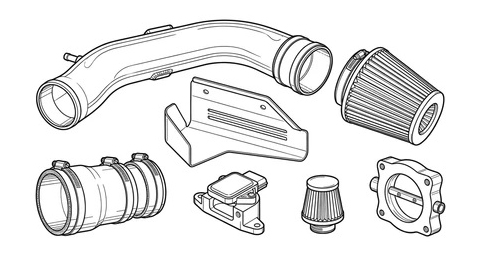
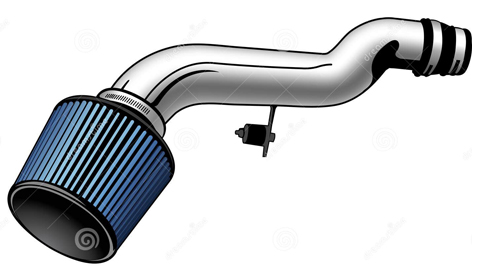
Here is a detailed comparison of the most common materials used for air intake pipes (air intake piping, cold air intake pipe, air intake tubing).
Intake Pipe Materials Comparison
Material Thermal Conductivity Weight Durability Cost Key Advantages Key Disadvantages
Plastic / Polyethylene Very Low Very Light Moderate Low
Excellent thermal insulator, inexpensive, lightweight, resists corrosion, can be molded into complex shapes for optimal airflow Can become brittle with age and extreme heat, less durable under high boost
Aluminum High Light Excellent Moderate
Rigid, provides smooth internal surface for great airflow, lightweight, aesthetically pleasing, and can be easily welded for custom setups High thermal conductivity leads to heat soak (absorbing heat from the engine bay), raising intake air temperature
Silicone Low Medium Very Good Moderate to High
Excellent thermal insulator, highly flexible for tight engine bays, resists cracking and vibration, can withstand extreme temperatures May expand under high boost, causing a slight delay in throttle response; requires high-quality clamps to prevent blow-offs
Carbon Fiber Extremely Low Ultra Light Very Good High
The ultimate insulator against heat soak, extremely lightweight for improved throttle response, very strong, and offers a premium appearance Significantly more expensive than other options, often considered a premium aesthetic and performance upgrade
Titanium Moderate Very Light Exceptional Very High
Combines exceptional strength with very low weight; offers better heat resistance than aluminum and a unique, distinct intake sound Extremely rare and expensive, primarily found in high-end, bespoke motorsport applications
Stainless Steel Moderate to High Heavy Exceptional Moderate to High
Extremely durable and corrosion-resistant, can handle very high underhood temperatures without warping, resists vibration cracking Heavy, less efficient at dissipating heat, more difficult to weld
To choose the best intake pipe for your car, ask yourself these three key questions:
What is your primary goal? For maximum thermal performance, carbon fiber is the ultimate choice, but plastic and silicone offer similar insulation at a fraction of the cost. If maximizing airflow in a custom build is your goal, aluminum's rigidity makes it a great choice for creating a smooth, unrestricted path. For durability and heat resistance in extreme conditions, such as a turbocharged race car, silicone or stainless steel are excellent options.
What is your budget? For an economical and effective upgrade on a daily driver, a plastic intake pipe offers the best value, providing great insulation and good flow at a low cost. For a mid-range performance build, aluminum is a popular and affordable choice, though you may need to consider adding a heat shield. For a premium, show-quality build with maximum performance, carbon fiber or titanium are the top-tier, albeit most expensive, options.
What is your vehicle's setup? For a naturally aspirated daily driver, a plastic or silicone pipe is ideal for keeping intake air cool and reliable. For a turbocharged or high-boost engine, silicone's heat resistance and flexibility are key, but ensure it's a multi-layer, reinforced hose to prevent expansion under pressure. If you are building a custom intake for a tight engine bay, silicone's flexibility allows for routing in spaces where rigid metal or plastic pipes won't fit.
Pro Tip: Managing Heat Soak
Even the best material can be compromised by a hot engine bay. Heat soak occurs when the intake pipe absorbs heat, raising the temperature of the incoming air and reducing power. To combat this, consider these strategies:
Heat Wraps or Coatings: You can wrap metal pipes with thermal insulation or have them coated with ceramic to drastically reduce heat transfer.
Heat Shields: A physical barrier between the hot engine components and the intake pipe can be very effective.
Relocate the Air Filter: A true cold air intake repositions the air filter outside the engine bay, pulling in cool, dense air from the fender or bumper to maximize power.
I hope this detailed breakdown helps you choose the perfect material for your intake pipe. What kind of vehicle and engine setup are you working with? If you can share a bit more about your project and performance goals, I can offer some more tailored advice.
Here is a detailed comparison of the most common materials used for air intake pipes (air intake piping, cold air intake pipe, air intake tubing).
Intake Pipe Materials Comparison
Material Thermal Conductivity Weight Durability Cost Key Advantages Key Disadvantages
Plastic / Polyethylene Very Low Very Light Moderate Low
Excellent thermal insulator, inexpensive, lightweight, resists corrosion, can be molded into complex shapes for optimal airflow Can become brittle with age and extreme heat, less durable under high boost
Aluminum High Light Excellent Moderate
Rigid, provides smooth internal surface for great airflow, lightweight, aesthetically pleasing, and can be easily welded for custom setups High thermal conductivity leads to heat soak (absorbing heat from the engine bay), raising intake air temperature
Silicone Low Medium Very Good Moderate to High
Excellent thermal insulator, highly flexible for tight engine bays, resists cracking and vibration, can withstand extreme temperatures May expand under high boost, causing a slight delay in throttle response; requires high-quality clamps to prevent blow-offs
Carbon Fiber Extremely Low Ultra Light Very Good High
The ultimate insulator against heat soak, extremely lightweight for improved throttle response, very strong, and offers a premium appearance Significantly more expensive than other options, often considered a premium aesthetic and performance upgrade
Titanium Moderate Very Light Exceptional Very High
Combines exceptional strength with very low weight; offers better heat resistance than aluminum and a unique, distinct intake sound Extremely rare and expensive, primarily found in high-end, bespoke motorsport applications
Stainless Steel Moderate to High Heavy Exceptional Moderate to High
Extremely durable and corrosion-resistant, can handle very high underhood temperatures without warping, resists vibration cracking Heavy, less efficient at dissipating heat, more difficult to weld
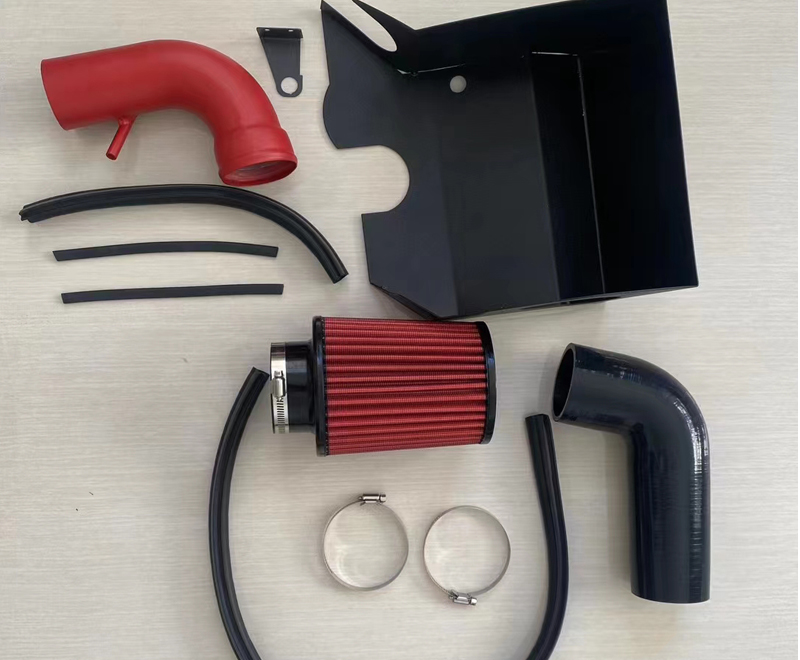
To choose the best intake pipe for your car, ask yourself these three key questions:
What is your primary goal? For maximum thermal performance, carbon fiber is the ultimate choice, but plastic and silicone offer similar insulation at a fraction of the cost. If maximizing airflow in a custom build is your goal, aluminum's rigidity makes it a great choice for creating a smooth, unrestricted path. For durability and heat resistance in extreme conditions, such as a turbocharged race car, silicone or stainless steel are excellent options.
What is your budget? For an economical and effective upgrade on a daily driver, a plastic intake pipe offers the best value, providing great insulation and good flow at a low cost. For a mid-range performance build, aluminum is a popular and affordable choice, though you may need to consider adding a heat shield. For a premium, show-quality build with maximum performance, carbon fiber or titanium are the top-tier, albeit most expensive, options.
What is your vehicle's setup? For a naturally aspirated daily driver, a plastic or silicone pipe is ideal for keeping intake air cool and reliable. For a turbocharged or high-boost engine, silicone's heat resistance and flexibility are key, but ensure it's a multi-layer, reinforced hose to prevent expansion under pressure. If you are building a custom intake for a tight engine bay, silicone's flexibility allows for routing in spaces where rigid metal or plastic pipes won't fit.
Pro Tip: Managing Heat Soak
Even the best material can be compromised by a hot engine bay. Heat soak occurs when the intake pipe absorbs heat, raising the temperature of the incoming air and reducing power. To combat this, consider these strategies:
Heat Wraps or Coatings: You can wrap metal pipes with thermal insulation or have them coated with ceramic to drastically reduce heat transfer.
Heat Shields: A physical barrier between the hot engine components and the intake pipe can be very effective.
Relocate the Air Filter: A true cold air intake repositions the air filter outside the engine bay, pulling in cool, dense air from the fender or bumper to maximize power.
I hope this detailed breakdown helps you choose the perfect material for your intake pipe. What kind of vehicle and engine setup are you working with? If you can share a bit more about your project and performance goals, I can offer some more tailored advice.